
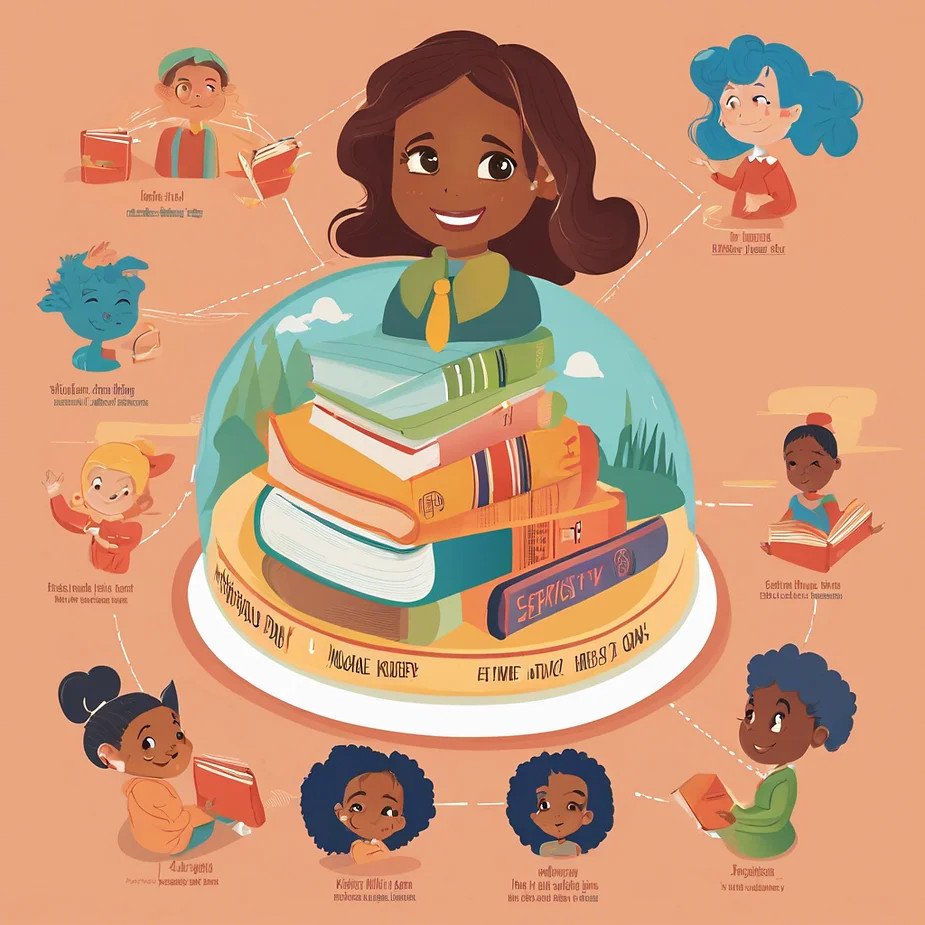
Education is the cornerstone of a society’s growth, development, and progress. In an inclusive classroom setting, diversity is not only embraced but celebrated. As we navigate through the dynamic landscape of education, it becomes imperative to implement effective classroom strategies that cater to the needs of every student, regardless of their background or abilities.
Embracing Diversity in the Classroom
Diversity is a beautiful tapestry that enriches the educational experience for both students and teachers. In an inclusive classroom, every student is valued for their unique perspectives, talents, and challenges. By creating a welcoming and accepting environment, educators lay the groundwork for a positive and empowering learning space where every individual feels seen, heard, and supported.
Tailoring Instruction to Individual Needs
One size does not fit all in education. Students come from varied backgrounds and possess a range of learning styles and abilities. To support diverse learners effectively, teachers must adopt a differentiated instruction approach. This method involves customizing teaching strategies, materials, and assessments to meet the specific needs of each student, ensuring that everyone has an equal opportunity to succeed academically.
Cultivating a Culture of Understanding and Empathy
Building a culture of understanding and empathy is essential in fostering inclusivity within the classroom. Students should feel comfortable expressing their thoughts and feelings without fear of judgment. By promoting open dialogue, active listening, and respect for differing opinions, educators create a safe space where diversity is not only accepted but embraced as a catalyst for growth and learning.
Leveraging Technology for Inclusive Learning
Technology has become an invaluable tool in promoting inclusive education. From assistive technologies for students with special needs to online resources that cater to diverse learning styles, digital tools offer endless possibilities for enhancing the educational experience. By integrating technology thoughtfully into the curriculum, educators can create a more inclusive and engaging learning environment for all students.
Collaborating with Families and Support Systems
Inclusive education extends beyond the walls of the classroom. Collaboration with families, caregivers, and support systems is crucial in ensuring that students receive consistent and comprehensive support. By involving parents and guardians in the educational process, teachers gain valuable insights into the student’s individual needs, strengths, and challenges, enabling them to provide tailored support and interventions.
Conclusion
In an inclusive classroom, diversity is not a barrier but a bridge to learning and growth. By implementing effective classroom strategies that cater to the unique needs of every student, educators can create a supportive and enriching environment where all individuals can thrive. Embracing diversity, tailoring instruction, cultivating empathy, leveraging technology, and fostering collaboration are key pillars in building an inclusive classroom that nurtures and empowers every student on their educational journey.
As we navigate the ever-evolving landscape of education, let us continue to champion inclusivity, diversity, and support in the classroom, ensuring that every student has the opportunity to shine and reach their full potential.
In the realm of education, fostering inclusivity and diversity in the classroom is paramount to creating a supportive and enriching learning environment. By implementing classroom strategies that cater to the unique needs of every student, educators can ensure that diversity is not only embraced but celebrated as a catalyst for growth and success. Let’s work together to build inclusive classrooms where every individual feels valued, supported, and empowered to reach their full potential.